Exploring the Heart of Patriotism: Stories, Traditions, and Celebrations That Define National Pride
When was the last time you felt a swell of pride at the sight of your national flag fluttering in the wind? Patriotic traditions have a unique ability to unite communities, foster a deep sense of loyalty, and celebrate the love of one's country. Whether it's through grand parades, stirring musical performances, or the quiet act of quietly placing a hand over the heart, these time-honored customs resonate with a collective national pride that transcends generations.
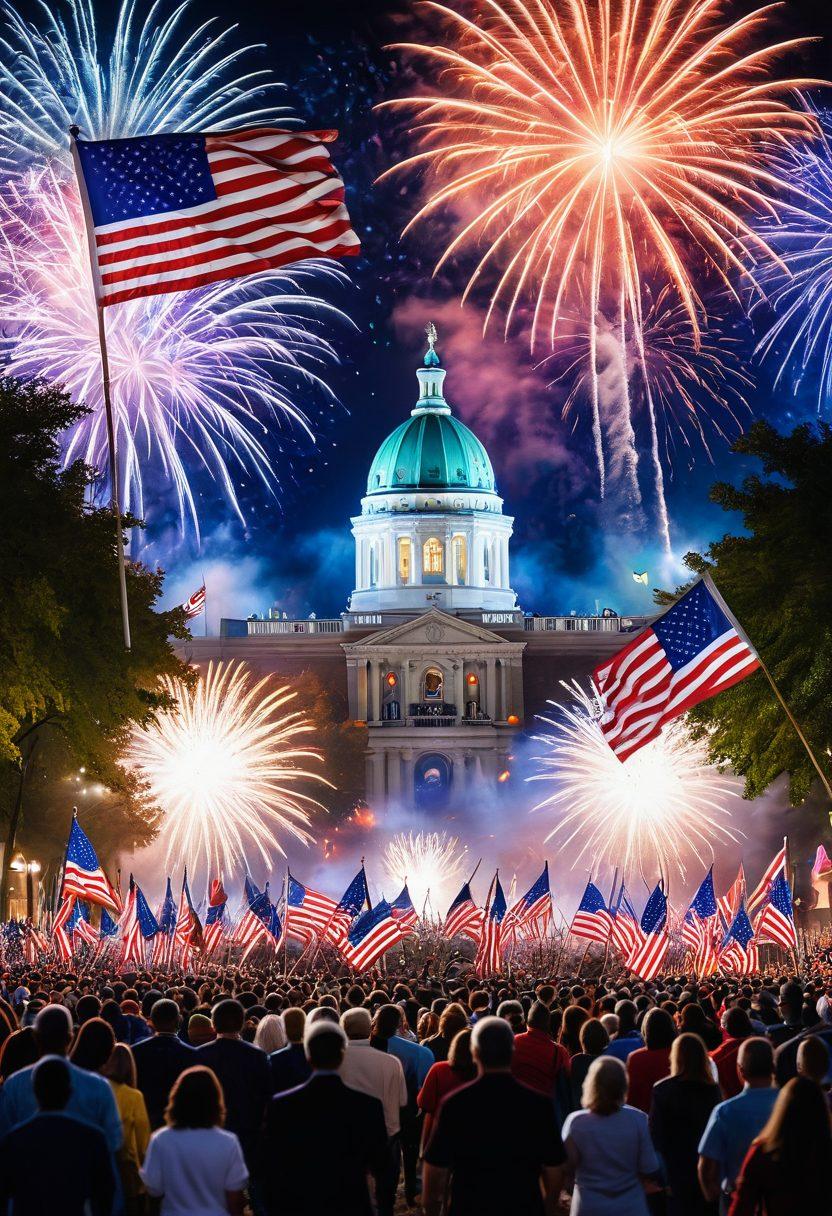
Across the globe, people have devised countless ways to showcase their patriotism. From the boisterous Fourth of July celebrations in the United States, complete with fireworks and barbecues, to the solemn Remembrance Day ceremonies in the United Kingdom, the tapestry of patriotic events is rich and varied. These events serve as a living repository of patriotic stories, retelling the tales of heroic figures and pivotal moments in history that have shaped the national zeitgeist.
Imagine the scene of a small town, where every house on the main street sports a flag waving gracefully in the front yard. Such displays of civic pride are not just mere decor but powerful symbols of allegiance and country devotion. These demonstrations are often complemented by patriotic speeches, steeped in historical patriotism and punctuated by patriotic quotes that stir the soul and ignite a renewed sense of nationalism. Consider the impact of a leader's words, which can echo through the annals of patriotic literature and influence the patriotic ideologies of future generations.
Our involvement in patriotic traditions often begins in childhood, through patriotic education that teaches the importance of our national symbols, like flags and anthems. Schools play a key role in this, with activities like essay contests on patriotic figures or crafting decorations for patriotic holidays. This early immersion instills a sense of national pride and cultural heritage, laying the foundation for a lifelong affection for one’s homeland. It’s not just about learning facts; it’s about feeling a connection to a wider patriotic community.
In today's interconnected world, the love of country is celebrated not only through physical gatherings but also through digital platforms. Websites dedicated to sharing patriotic content, blogs narrating personal patriotic stories, and online forums discussing patriotic news act as modern-day coliseums where people gather, albeit virtually, to celebrate their nation’s legacy. Such platforms provide a plethora of patriotism resources, making it easier than ever to stay informed and connected. Next time you’re wrapped up in the hustle and bustle of daily life, take a moment to indulge in some patriotic content – a reminder of the traditions that unite us in our collective journey through the annals of time.
Inspirational Stories of National Pride: Heroes and Events That Shaped Our Country
When we talk about patriotism, it's more than just waving the flag on Independence Day; it's a heartfelt connection to our homeland and a deep-seated pride in everything it stands for. But have you ever wondered what ignites that spark of national pride within us? Certainly, it is often the inspirational stories of national pride, filled with heroes and significant events, that kindle our love of country and define the essence of patriotism.
Remember the story of George Washington, our first president, crossing the icy Delaware River in 1776? This daring move during the Revolutionary War was a turning point in the fight for American independence. Such historical patriotism is steeped in bravery, underscoring the kind of rugged determination and allegiance that our forefathers had for their country. These tales of patriotism not only inspired those living through those times but continue to foster a sense of national pride generations later.
Beyond our borders, the story of Mahatma Gandhi’s peaceful struggle for India's independence from British rule is another beacon of patriotism. With unwavering national pride and a devotion to non-violence, Gandhi's life speaks volumes about the power of civic pride and national movements. His actions stand as a testament to the lengths one will go in the name of country devotion and patriotism, reverberating through history as a call to action for future patriots.
Fast forward to today, and we witness acts of patriotism in our everyday lives. From the first responders who rush to disasters to the teachers who devote themselves to education, every day citizens become unsung heroes shaping our national pride. Like a modern-day Paul Revere, they may not seek recognition, but their patriotism is embedded in their commitment to their communities and country. This resonates deeply within a patriotic community that values such selfless acts of loyalty and allegiance.
So why do these stories matter? Because they are the backbone of our cultural heritage and continue to be woven into the tapestry of our national identity. The flag waving during patriotic events, the recitation of historical speeches, and the traditions passed down through generations, all stem from these foundational stories of patriotism. They remind us of where we’ve come from and inspire us on where we’re headed. As we absorb this rich patriotic content through blogs, articles, literature, and speeches, we celebrate our past and pave the path for our collective future. So, let's continue to embrace and share these inspirational stories, fostering a resurgence of national pride and unity.
Celebrating Patriotism: From Flag-Waving Parades to Cultural Heritage Festivals
Patriotism is the heartbeat of a nation's identity. It's that spark of 'national pride' that compels people to stand tall, flag in hand, singing the national anthem in unison. But have you ever wondered how these 'patriotic' feelings manifest in various 'patriotic celebrations'? Let's journey through the tapestry of 'patriotism resources' from 'flag-waving parades' to 'cultural heritage' festivals that define the essence of 'country devotion.'
A 'flag-waving' parade is perhaps the most iconic representation of 'patriotism'. Picture this: streets lined with people, 'patriotic' colors draped across buildings, and a collective excitement filling the air. In the United States, the Fourth of July parades are the epitome of 'national pride movements'. Similar scenes unfold around the globe—from Bastille Day celebrations in France to the vibrant streets of India on Independence Day. These parades are more than just visual spectacles; they're a communion of hearts beating for a singular cause, a 'civic pride' that unites a 'patriotic community'.
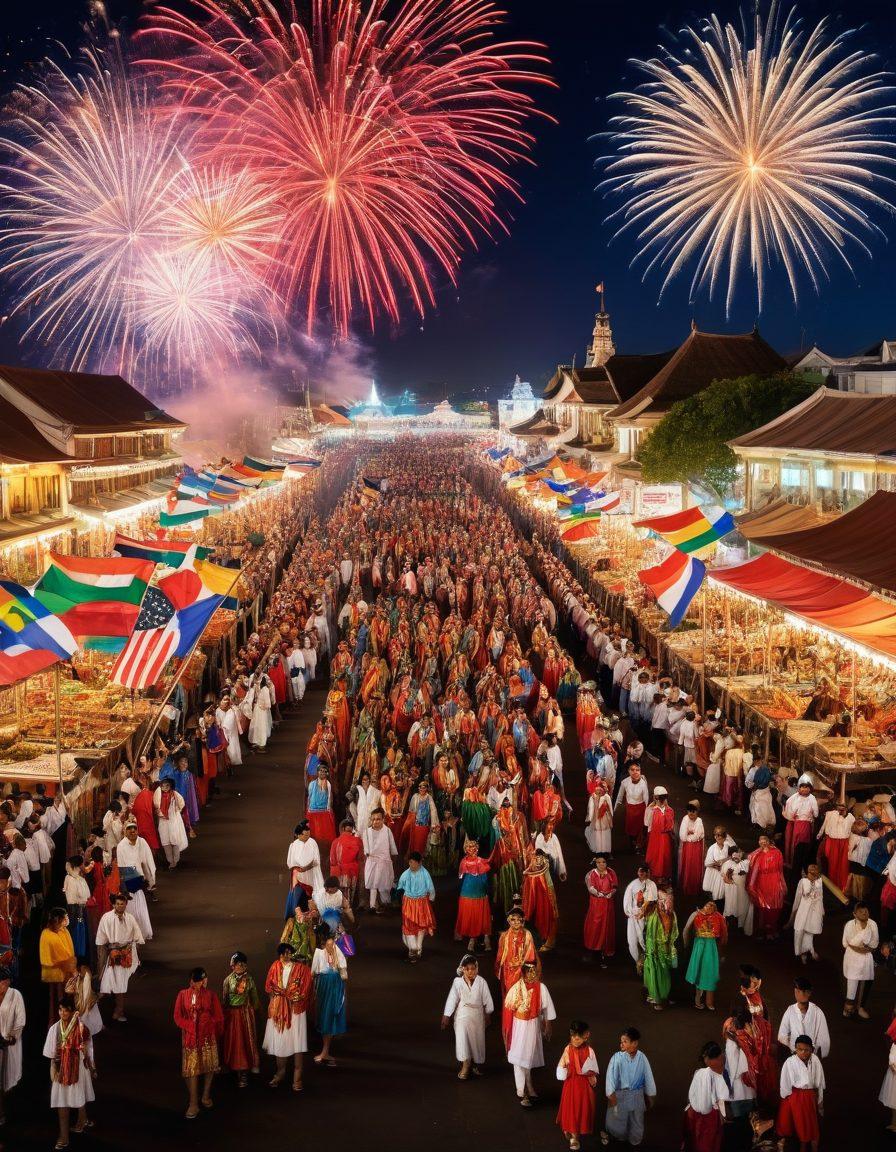
'Cultural heritage' festivals offer another layer to the multi-faceted gem of 'national pride'. These celebrations bring to life the historical threads and 'patriotic stories' that make up the fabric of a nation. From the music and dance of traditional Irish festivals to the ancestral tributes during Mexico’s Dia de los Muertos, these events serve as living 'patriotic literature.' They’re not merely celebrations; they're a way to pass down 'patriotic traditions' and instill 'love of country' in future generations. Have you ever attended one and felt that rush of 'historical patriotism' running through your veins?
No discussion of 'patriotism' would be complete without mentioning 'patriotic figures' and 'national symbols'. From speeches echoing with 'patriotic quotes' to statues embodying 'national pride', these icons endure in the collective memory. Think of Abraham Lincoln’s Gettysburg Address or Gandhi’s 'allegiance' to non-violent resistance. Such 'patriotic speeches' are milestones in 'patriotic education', galvanizing new generations with 'patriotic ideologies' and 'patriotic information'. Their message? To inspire loyalty, 'allegiance', and unwavering 'country devotion'.
In today's age, 'patriotic' content has diversified beyond traditional mediums. There are 'patriotic blogs', 'patriotic articles', and a surge in 'patriotically themed merchandise' that serve as tools for spreading 'patriotic news'. These modern methods integrate seamlessly with time-honored 'patriotic' celebrations, ensuring that 'nationalism' and 'national pride' remain ever-present in the digital age. After all, whether through handheld flags at a parade or hashtags on social media, the essence of 'patriotism' transcends formats, continuing to bind communities with threads of 'loyalty' and shared 'civic pride'. How do you celebrate your 'national pride'?